How Newcastle University Transformed Mental Health Research into the Calm App
At Newcastle University, researchers working alongside NHS partners were focused on a deeply human challenge. People living with bipolar disorder needed better tools to understand their moods, recognise patterns, and access support when they needed it most.
Turning Research into Real-World Support
Traditional paper based approaches made it difficult for individuals to consistently track how they were feeling or for clinicians to gain meaningful long term insight. The research team at Newcastle University recognised that to make a real impact, academic knowledge had to be translated into a practical digital solution.
Designing the App
The Calm App was developed through close collaboration between researchers, clinicians, and users. Participatory design workshops helped uncover what was not working and what users genuinely needed from a digital tool. The aim was to create something simple, intuitive, and supportive rather than clinical or overwhelming.
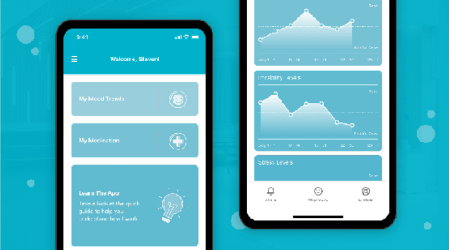
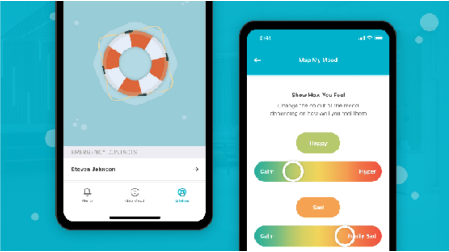
The app enabled users to log moods using visual cues, notes, and structured inputs. Over time, this information was transformed into clear trends that helped users better understand their emotional patterns. Clinicians could also use this insight to support more informed conversations and care decisions.
Helping Users
Importantly, the Calm App recognised moments of vulnerability. Built in support features allowed users to alert trusted contacts when they needed help, providing reassurance and connection at critical times. All data was stored securely in the cloud, protecting privacy while enabling long term analysis.
For Newcastle University, the Calm App demonstrated how research could move beyond theory into real world impact. By turning insight into a usable digital tool, the team helped individuals take greater control of their mental health and supported better outcomes through technology.